Things to Check Before Buying Acrylic

Informational

Acrylic sheets are widely used in industries such as signage, architecture, furniture, and even food-related applications. But with so many options available, knowing how to choose acrylic sheets is essential to ensure quality, safety, and durability.

1. Decide Between Cast or Extruded Acrylic

There are two main types of acrylic sheets:

  • Cast Acrylic: Known for superior optical clarity and durability, making it ideal for premium applications.
  • Extruded Acrylic: More cost-effective with consistent thickness, great for general purposes.

2. Check Thickness and Size Options

Different projects require different sheet thicknesses and dimensions. Make sure the supplier offers the right size to fit your application needs.

Read also: Choose the Right Cast Acrylic Color for Your Project

3. Evaluate Optical Clarity

High-quality acrylic should be crystal clear, with excellent light transmission similar to glass. Avoid sheets that look cloudy or yellowish, which usually means lower grade acrylic.

4. Consider Durability and Resistance

Choose acrylic that offers impact resistance, UV protection, and weather durability, especially for outdoor use. This ensures long-lasting performance.

5. Look for Certification and Safety Standards

For food displays or hygienic environments, select acrylic sheets that have NSF or FDA certification to guarantee safety in food contact applications.

Read also: Acrylic vs Polycarbonate: Which One Should You Use?

6. Work with a Trusted Supplier

A reputable supplier ensures consistent product quality and adherence to international standards, reducing risks for your projects.

Conclusion

Understanding how to choose acrylic sheets will help you make the best decision for your projects. From material type and thickness to certifications and supplier reliability, every factor matters in achieving the desired results.

Looking for premium acrylic sheets? Marga Cipta is a trusted manufacturer of cast acrylic sheets with NSF-certified options (clear and white opal). Contact us today at info@margacipta.com to find the right acrylic for your needs!


News Release

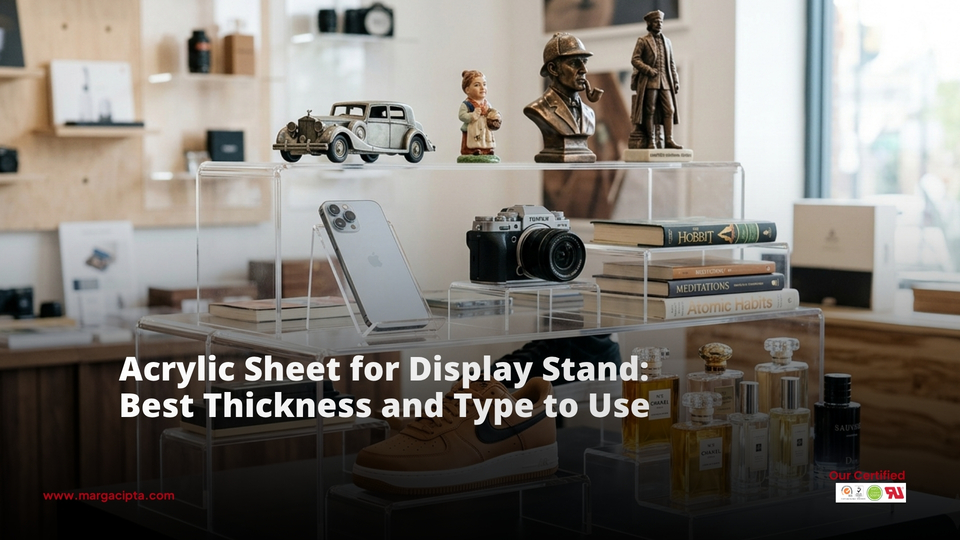
Best Material for Display Stand: Acrylic or Glass?

For most retail and commercial applications, acrylic is generally the best material for display stands. It provides excellent transparency, is significantly lighter than glass, offers better impact resistance, and is easier to fabricate into custom designs.

While glass remains a premium material for certain luxury applications, acrylic delivers a more practical balance of aesthetics, durability, and cost efficiency.

Acrylic vs Glass at a Glance

Here's a quick comparison between the two materials.

Feature Acrylic Glass
Transparancy Excellent Excellent
Weight Lightweight Heavy
Impact Resistance High Low
Fabrication Easy Limited
Customization Excellent Moderate
Cost Efficiency High Moderate

For most display stand projects, acrylic provides greater flexibility without sacrificing appearance.

Read also: Acrylic Sheet for Retail Displays: Benefits, Applications, and Design Ideas

Clarity and Appearance

Both acrylic and glass offer a clean, transparent look that showcases products effectively.

However, high-quality acrylic sheets provide excellent optical clarity while offering more design flexibility through various finishes, including:

  • Clear
  • Frosted
  • Satin
  • Colored
  • Mirrored

These options allow businesses to create customized displays that match their branding.

Durability

Display stands are frequently moved, cleaned, and handled.

Acrylic performs well because it is more impact-resistant than glass. If accidentally dropped or bumped, acrylic is less likely to shatter.

Glass, while visually elegant, is more fragile and requires careful handling during transportation and installation.

Weight and Installation

Acrylic is considerably lighter than glass, making it easier to:

  • Transport
  • Install
  • Rearrange
  • Store

This advantage is especially valuable for exhibition displays, retail promotions, and modular merchandising systems.

Fabrication Flexibility

One of acrylic's biggest advantages is its compatibility with modern fabrication methods.

Acrylic sheets can be:

  • Laser cut
  • CNC machined
  • Thermoformed
  • Engraved
  • UV printed

This allows designers to produce highly customized display stands with clean edges and intricate details.

Glass generally requires more specialized processing and offers fewer customization options.

Cost Considerations

Acrylic is often the more cost-effective solution.

Lower transportation costs, easier fabrication, and reduced breakage risks contribute to better overall project value.

For businesses producing multiple display stands, acrylic offers significant long-term savings.

When Glass May Be Suitable

Although acrylic is preferred for most applications, glass may still be suitable for:

  • Luxury furniture
  • Permanent architectural installations
  • High-end decorative displays

However, these projects often involve higher installation costs and stricter handling requirements.

Read also: How to Bend Acrylic Sheet: Methods, Tools, and Best Practices

Why Material Quality Matters

Regardless of the material chosen, quality has a direct impact on the final result.

Premium acrylic sheets provide:

  • Better clarity
  • Consistent thickness
  • Cleaner fabrication
  • Improved durability
  • Long-lasting appearance

Marga Cipta supplies high-quality acrylic sheets suitable for display stands, retail displays, product showcases, and commercial fabrication projects.

Conclusion

When comparing the best material for display stand—acrylic or glass—acrylic is the preferred choice for most retail, commercial, and promotional applications.

Its combination of clarity, lightweight construction, durability, and fabrication flexibility makes it a reliable solution for modern display systems.

Build Better Display Stands with Marga Cipta

Looking for premium acrylic sheets for your next display project? Marga Cipta offers high-quality acrylic sheets in various sizes, thicknesses, and finishes to meet your fabrication needs.

For inquiries or orders, email info@margacipta.com.

For product updates, inspiration, and application ideas, follow Instagram @margacipta.

Is Acrylic Waterproof? Understanding Its Water Resistance

Yes, acrylic is waterproof. Acrylic sheets do not absorb water and can maintain their structural integrity even when exposed to moisture, rain, or humid environments.

This water resistance is one of the reasons acrylic is widely used in applications ranging from signage and displays to aquariums and protective barriers.

However, understanding what "waterproof" means in the context of acrylic can help ensure the material is used appropriately.

What Does Waterproof Mean for Acrylic?

When people ask whether acrylic is waterproof, they typically want to know whether water can damage the material.

Acrylic's non-porous surface prevents water from penetrating the material, which means it does not:

  • Swell
  • Rot
  • Rust
  • Absorb moisture

This makes acrylic a reliable material for environments where water exposure is common.

Read also: Why Does Acrylic Become Brittle? Common Mistakes You Should Avoid

How Does Acrylic Perform in Wet Conditions?

Acrylic performs exceptionally well when exposed to water.

Unlike wood or certain composite materials, acrylic remains stable even after repeated contact with moisture.

It can be used in environments such as:

  • Outdoor installations
  • Bathrooms
  • Aquariums
  • Decorative water features
  • Protective covers

Its resistance to moisture helps preserve both appearance and functionality.

Is Acrylic Suitable for Outdoor Rain Exposure?

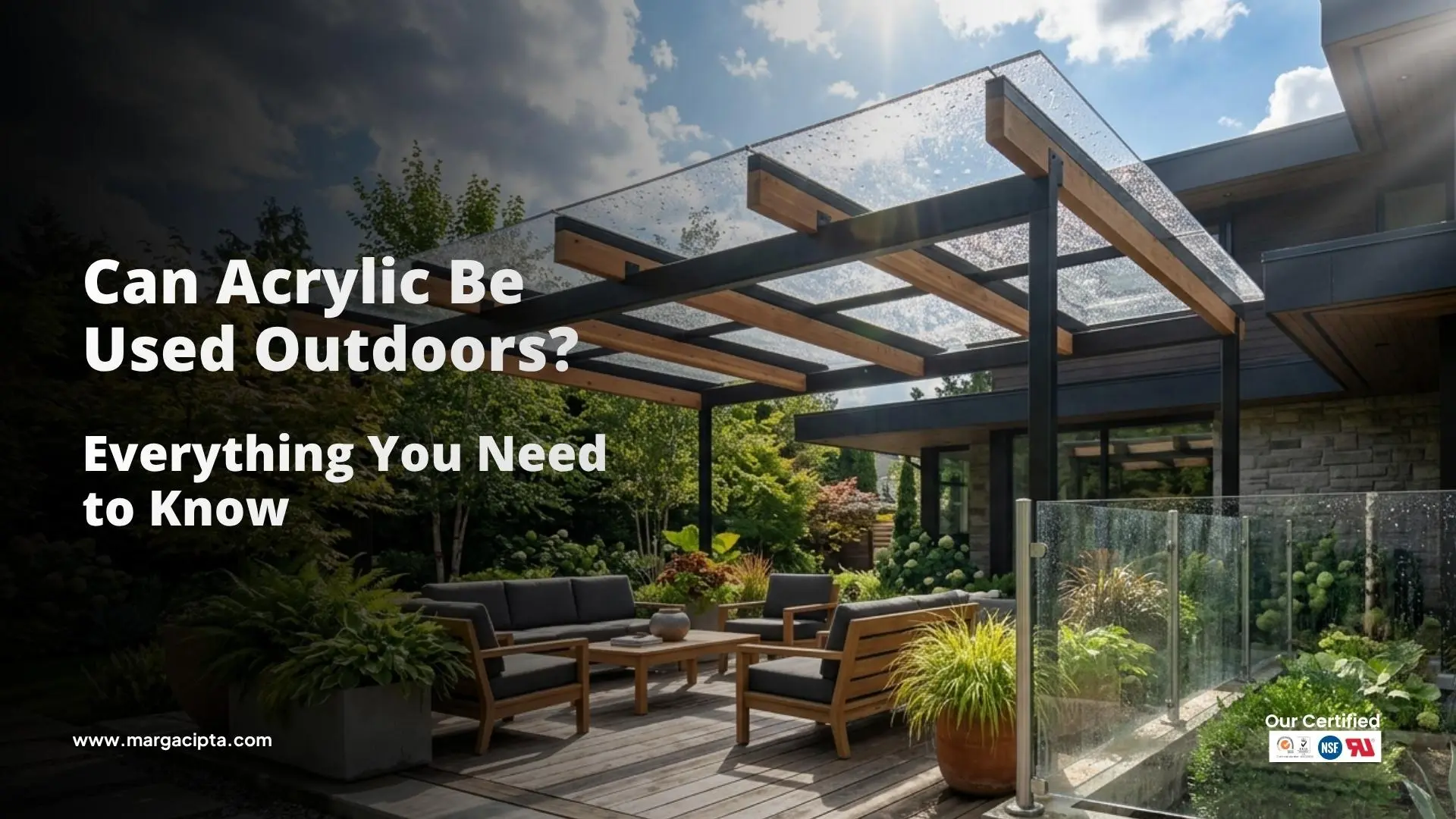
Yes. Acrylic is commonly used outdoors because it can withstand rain and humidity without deterioration.

When paired with its natural UV resistance, acrylic becomes an excellent option for:

  • Outdoor signage
  • Display panels
  • Architectural features
  • Protective barriers

High-quality acrylic sheets can maintain their clarity and performance for years in outdoor environments.

Acrylic vs Other Materials in Wet Environments

Compared to many traditional materials, acrylic offers several advantages.

Acrylic vs Wood

Wood can absorb water, expand, and deteriorate over time. Acrylic remains unaffected by moisture.

Acrylic vs Metal

Certain metals can rust when exposed to water. Acrylic does not corrode.

Acrylic vs Glass

Both materials resist water, but acrylic offers the added benefits of lighter weight and greater impact resistance.

Applications That Benefit from Acrylic's Water Resistance

Many industries rely on acrylic because of its ability to perform in wet environments.

Common examples include:

  • Aquariums
  • Splash guards
  • Outdoor signage
  • Retail displays
  • Interior partitions
  • Decorative installations

Its combination of water resistance and visual clarity makes it a versatile material for both functional and decorative uses.

Read also: What is Satin Acrylic? A Complete Guide to Its Look and Function

Does Water Affect Acrylic Over Time?

Water itself generally does not damage acrylic.

However, performance can be affected if acrylic is exposed to:

  • Harsh cleaning chemicals
  • Improper installation
  • Extreme mechanical stress

Using proper maintenance techniques helps preserve the material's appearance and durability.

Why Material Quality Matters

The quality of the acrylic sheet plays a significant role in long-term performance.

Premium acrylic typically offers:

  • Better clarity
  • More consistent thickness
  • Improved weather resistance
  • Enhanced durability

Marga Cipta supplies high-quality acrylic sheets suitable for applications that require durability, transparency, and reliable water resistance.

Conclusion

Is acrylic waterproof? Yes, acrylic is highly water-resistant and does not absorb moisture.

Its waterproof characteristics, combined with excellent clarity and durability, make it a preferred material for both indoor and outdoor applications.

By choosing high-quality acrylic sheets, businesses and fabricators can maximize performance in wet and humid environments.

Ready to explore our cast acrylic options? At Margacipta Wirasentosa, we offer high-quality clear cast acrylic sheets from 100% virgin MMA in various thicknesses and custom sizes to fit your needs.

Reach out to our Instagram or download our Product Catalog for more information.
How to Identify High-Quality Cast Acrylic Sheets | Buyer’s Guide

Cast acrylic sheets are widely used across industries, from interior design and signage to industrial equipment and medical applications. However, not all acrylic sheets offer the same level of quality.

Choosing high-quality cast acrylic sheets is essential to ensure durability, clarity, and long-term performance. This guide will help you identify premium cast acrylic sheets and avoid costly mistakes in your projects.

1. Check Optical Clarity and Surface Finish

One of the most noticeable characteristics of high-quality cast acrylic sheets is their exceptional clarity.

Premium cast acrylic offers glass-like transparency with minimal distortion. When viewed from different angles, the surface should appear smooth, glossy, and free from waves, bubbles, or cloudiness.

Lower-quality acrylic often looks slightly hazy or uneven, especially under strong lighting. For applications such as display panels, signage, or interior partitions, optical clarity is a key indicator of quality.

Read also: Acrylic Sheet for Interior Design: Modern Applications for 2026 | Marga Cipta

2. Consistent Thickness Across the Sheet

Thickness consistency is a critical factor in determining acrylic quality. High-quality cast acrylic sheets are manufactured using controlled casting processes that ensure even thickness from edge to edge.

Inconsistent thickness can cause problems during fabrication, such as uneven bending, poor fitting, or structural weakness.

To check this, measure the sheet at several points. Premium cast acrylic will show minimal variation, making it ideal for precise cutting, machining, and thermoforming.

3. Strength and Impact Resistance

Cast acrylic is known for being stronger and more rigid than extruded acrylic. High-quality cast acrylic sheets offer excellent impact resistance, reducing the risk of cracking or breaking during installation and use.

You can often feel the difference: premium acrylic sheets are more solid and stable, especially in thicker options.

This makes them suitable for demanding applications such as machine guards, safety barriers, furniture components, and architectural elements.

4. Resistance to UV and Weather Conditions

Another important sign of high-quality cast acrylic sheets is UV resistance. Premium acrylic is designed to withstand prolonged exposure to sunlight without yellowing or becoming brittle over time.

This property is crucial for outdoor signage, skylights, and exterior design elements. Acrylic sheets with poor UV resistance may discolor, lose clarity, and require early replacement, increasing long-term costs.

Read also: The Best Cast Acrylic Sheet

5. Ease of Fabrication and Finishing

High-quality cast acrylic sheets are easier to work with during cutting, engraving, drilling, and polishing. Clean edges, smooth laser cuts, and polished finishes are indicators of superior material quality.

Inferior acrylic may chip, melt unevenly, or produce rough edges, which can slow down production and affect the final appearance of the product.

6. Verified Manufacturing Standards

Reliable manufacturers of high-quality cast acrylic sheets follow strict production standards and quality control processes. Look for suppliers that provide clear product specifications, consistent batch quality, and technical support.

Using cast acrylic made from pure raw materials ensures better performance compared to recycled or mixed-content acrylic, which often shows unstable quality.

Conclusion

Identifying high-quality cast acrylic sheets requires attention to clarity, thickness consistency, durability, UV resistance, and fabrication performance.

By choosing premium cast acrylic, businesses and fabricators can achieve better results, reduce waste, and ensure long-term value for their projects.

Investing in high-quality cast acrylic sheets is not just about appearance—it is about reliability, performance, and confidence in every application.

Need high-quality cast acrylic sheet for your next project? Send your order to info@margacipta.com.

Visit our Instagram for more details about our cast acrylic sheets, or download our Product Catalog here.

Cast Acrylic for Medical Use: Durable, Safe, and Hygienic Material

The healthcare industry demands materials that meet strict safety, hygiene, and durability standards. Among the many materials used today, cast acrylic sheets have become one of the most trusted and versatile options in the medical field.

Strong, lightweight, and crystal-clear, cast acrylic combines functionality with a clean, modern look, making it suitable for everything from protective barriers to medical equipment enclosures.

Why Cast Acrylic is Ideal for Medical Applications

Cast acrylic sheets are known for their optical clarity, chemical resistance, and high impact strength. These properties make acrylic a preferred material for hospitals, clinics, laboratories, and pharmaceutical facilities.

Here are several reasons why cast acrylic is widely used in the medical industry:

1. Exceptional Clarity

Cast acrylic has a high light transmission, allowing perfect visibility that is crucial for protective shields, instrument covers, and observation panels.

2. Excellent Hygiene

The smooth, non-porous surface of acrylic makes it resistant to bacteria and easy to clean, supporting strict hygiene protocols in medical environments.

Read also: Does Acrylic Shatter? Find Out Its Strength and Durability

3. Chemical Resistance

Cast acrylic can withstand frequent cleaning with disinfectants, alcohol, and other sanitizing agents without losing transparency or strength.

4. Lightweight and Safe

Compared to glass, acrylic is half the weight but 10 times more impact-resistant, reducing the risk of shattering and injury.

5. Customizable and Versatile

Acrylic sheets are easy to cut, thermoform, and fabricate into various shapes, suitable for a wide range of hospital applications.

Common Applications of Cast Acrylic in the Medical Field

1. Protective Barriers and Shields

Since the COVID-19 pandemic, acrylic barriers have become a standard feature in clinics, pharmacies, and laboratories. 

Cast acrylic offers clear visibility while providing a durable protective layer between patients and medical staff.

2. Medical Equipment Enclosures

Many diagnostic and laboratory devices use acrylic covers because they provide visibility, protection, and easy access for maintenance.

3. Hospital Furniture and Fixtures

Acrylic is used for bed headboards, medical carts, light diffusers, and partitions, offering a sleek and hygienic finish that’s easy to sanitize.

Read also: Do’s and Don’ts: Cleaning Acrylic Sheet the Right Way

4. Lighting and Display Panels

Cast acrylic diffuses light evenly, making it ideal for backlit panels in hospital signage and medical instrument displays.

5. Dental and Laboratory Tools

Acrylic’s chemical resistance and cleanability make it a reliable material for trays, sample containers, and protective instrument covers.

Why Choose Margacipta Cast Acrylic Sheets

Margacipta is one of Indonesia’s leading manufacturers of high-quality cast acrylic sheets, trusted across various industries, including medical, architectural, and industrial applications.

Our cast acrylic sheets are:

  • Manufactured with precision, ensuring consistent clarity and thickness.
  • Resistant to chemicals and UV, suitable for long-term use in medical environments.
  • Available in multiple colors and finishes, including clear, frosted, and matte.
  • Customizable in size and shape, meeting specific design or functional requirements.

With MC® cast acrylic sheet, hospitals and healthcare facilities can ensure durable, hygienic, and safe acrylic solutions for their operations.

MC® cast acrylic sheet is the perfect solution for hospitals and laboratories seeking reliable, long-lasting materials.